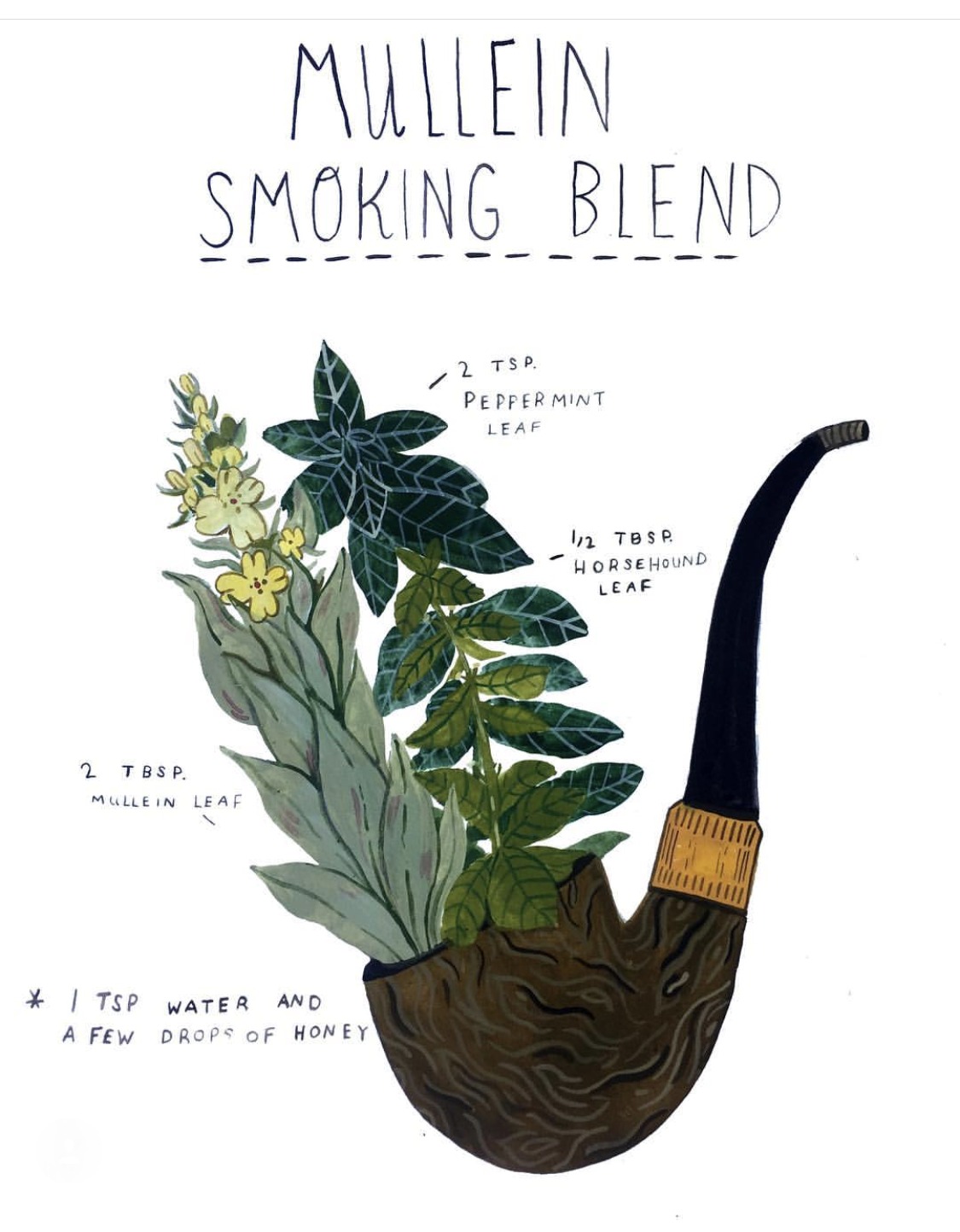
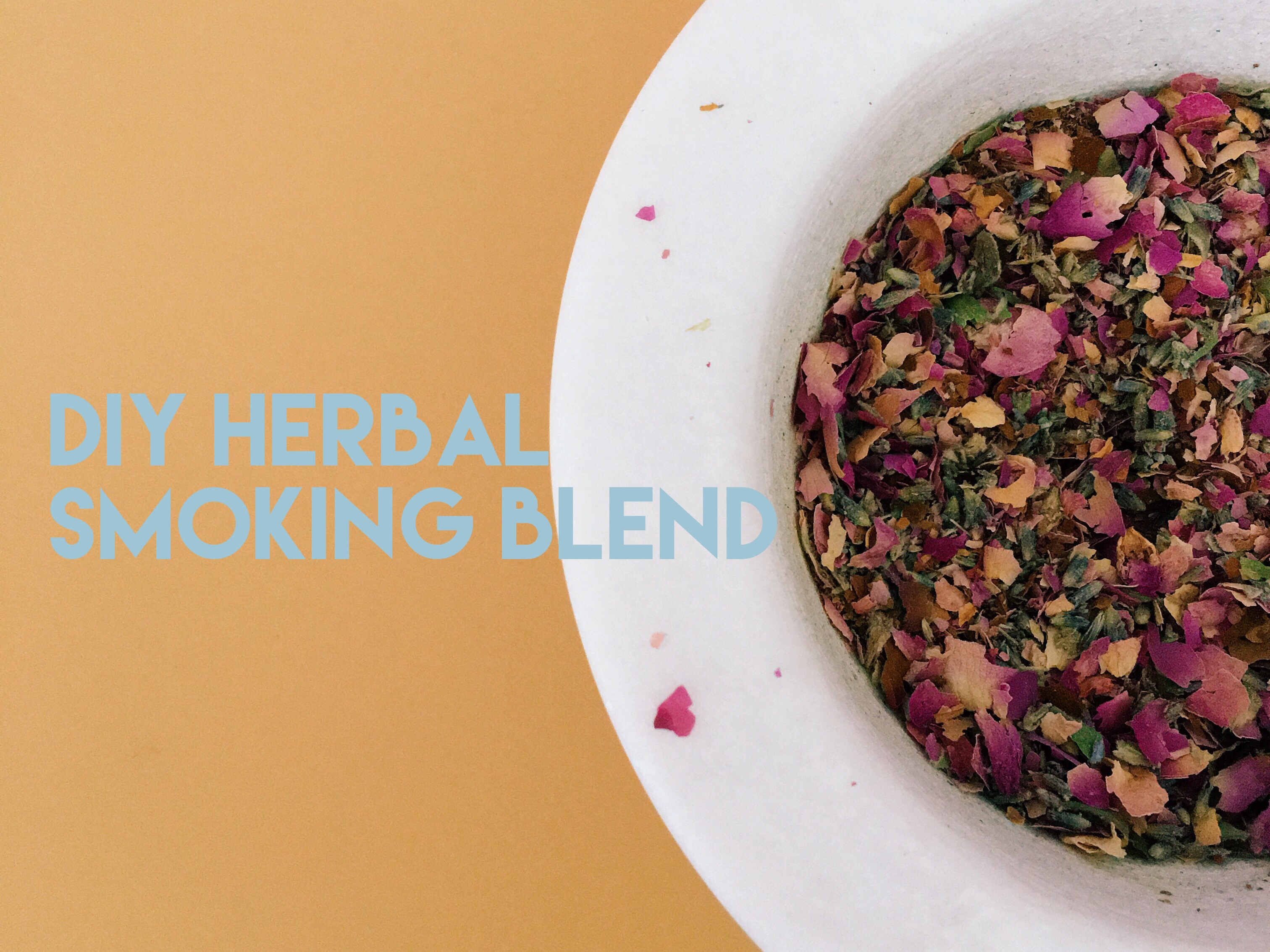
In addition to these, peppermint oil, sage, rosemary, and lavender all work well to help clear out the smell of smoke
How to treat smoke inhalation After removing yourself from the campfire, you can treat minor smoke inhalation symptoms at home by: Sucking on cough drops Avoiding additional smoke exposure of any kind Avoid cold, dry, or hot air Using a personal face steamer (steam therapy) Resting Severe cases of smoke inhalation may be treated at an emergency room by your medical provider with the following modalities: Chest X-ray to diagnose the severity Bronchoscopy to assess the degree of damage to the airways Blood tests Supplemental oxygen Hyperbaric chamber (for carbon monoxide poisoning) Medication such as bronchodilators When to see a doctor for smoke inhalation Exposure to campfire smoke is generally less harmful than inhaling smoke from a forest or home fire
A drop of menthol will give the sticks a pleasant freshness
As he listens, he has brief memories of the general mayhem that has taken place, including a heated encounter with a waitress at a diner, convincing a distraught cleaning woman that they are police officers investigating a drug ring, and attempting to buy an orangutan
ASL is a beautiful, expressive language
Taking the natural tobacco taste and submerging it into minty leaves, Good Stuff has created a recipe, which is inadvertently a force to be reckoned with